
PEX vs. Copper Repiping: Which Is Right for Your Bay Area Home?
By Pure Plumbing Solutions11 min read
For most Bay Area homes built before 1990, PEX repiping costs 40 to 60 percent less than copper and handles seismic movement better (costbidding.com). Copper suits homeowners prioritizing proven longevity and resale value. Your best choice depends on your home's age, local water quality, budget, and how long you plan to stay.
What Is Whole-House Repiping and When Do Bay Area Homes Need It?
Whole-house repiping means replacing every supply line in your home, from the water meter connection through the walls to every fixture. It is not a patch job. Most Campbell and San Jose homes built between 1950 and 1985 contain original galvanized steel pipes or early copper runs that have reached or exceeded their designed service life. Galvanized steel pipe carries an average lifespan of 40 to 60 years (frizzlife.com), meaning a 1965 home in Cambrian Park or Willow Glen is almost certainly running on borrowed time. Nationally, whole-house repiping costs $4,000 to $15,000 for most single-family homes, with an average near $7,500 (geekpoweredstudios.com). Bay Area labor rates push those numbers toward the upper end. California also requires a licensed C-36 plumbing contractor and a pulled permit for any whole-house repiping project, which adds a few hundred dollars but protects you at resale and during future insurance claims.
How Do You Know Your Bay Area Home Needs Repiping?
The clearest warning sign is rust-colored or metallic-tasting water. When galvanized pipe corrodes from the inside out, iron oxide flakes off into the water stream, turning it brown or orange. You may notice this most clearly after returning from vacation when stagnant water has been sitting in the lines. A second major indicator is recurring pinhole leaks in your copper pipes. Bay Area municipal water supplied by San Jose Water contains chloramines, a disinfectant blend that is harder on thin-wall copper than the older chlorine treatment it replaced. When pinhole leaks start appearing in multiple locations, spot repairs become a losing game. Low water pressure across the whole house, not just one fixture, often signals that mineral deposits have narrowed galvanized pipe interiors to a fraction of their original diameter. A licensed plumber should perform a pressure test and visual inspection before recommending full repiping over targeted repairs. At Pure Plumbing Solutions, we recommend this diagnostic approach for every home we evaluate, as it prevents unnecessary full replacements and saves homeowners thousands when targeted repairs are actually sufficient. At Pure Plumbing Solutions, we have inspected hundreds of Campbell and San Jose homes and routinely find 1960s-era galvanized lines so restricted that water barely trickles at the second-floor bath.
PEX vs. Copper Repiping: A Feature-by-Feature Comparison
PEX (cross-linked polyethylene) and copper are both approved under California's plumbing code and accepted by Bay Area building departments, but they behave very differently in the field. PEX is flexible plastic tubing that snakes through walls without rigid fittings at every turn. Copper is a metal pipe that requires soldering at every joint and connection. PEX material runs $0.50 to $2 per linear foot, while copper material costs $2 to $4 per linear foot before a single hour of labor is billed (costbidding.com). On an installed per-square-foot basis, PEX-A (the Uponor Engel-method variant that is the 2026 industry standard) runs $3.50 to $7.00 installed, while copper runs $8.00 to $14.00 (geekpoweredstudios.com). The global PEX pipe market was valued at USD 2.20 billion in 2025 and is forecast to reach USD 4.54 billion by 2036 at a 6.8% CAGR (factmr.com), reflecting how decisively the construction industry has shifted toward flexible pipe.
How Does Cost Compare Between PEX and Copper Repiping?
The installed cost differential is real and meaningful for most Bay Area homeowners. PEX carries a 30% to 40% cost advantage over copper on installed projects (factmr.com), and some estimates put the full savings at 40 to 60 percent when labor efficiency is included (costbidding.com). PEX is significantly cheaper than copper for a full repipe. Here is a concrete scenario: consider a 1,650-square-foot ranch home in Campbell with two bathrooms and a laundry hookup. A PEX repipe would typically run $5,500 to $8,500 with labor, permit fees, and drywall patching included (tuspipe.com). Copper pricing is also tied to global commodity markets and has been volatile since 2021, making budgeting unpredictable. PEX offers more stable pricing. If your home sits on a slab foundation, expect an additional 25 to 50 percent on labor costs for either material, since crews must reroute supply lines through attics and interior walls rather than beneath the floor (geekpoweredstudios.com).
Which Material Lasts Longer: PEX or Copper?
Copper installed correctly in a dry indoor environment carries a field-proven lifespan of 50 to 70 years (tuspipe.com), and there are copper systems from the 1960s still performing in parts of the country with neutral water chemistry. PEX carries manufacturer warranties of 25 to 50 years, but the material has only been widely deployed in US residential construction since the 1990s, meaning the longest real-world field data runs about 30 years. Durability claims beyond that are manufacturer projections, not longitudinal field studies. This matters. A homeowner planning a 40-year ownership horizon should weigh that uncertainty differently than one planning to sell in a decade. In Bay Area conditions specifically, copper's theoretical advantage shrinks because San Jose Water's chloramine disinfection accelerates pinhole leak formation in thin-wall Type M copper. PEX is immune to corrosion from water chemistry, which matters precisely in areas where older copper develops pinhole leaks over time (repipechampions.com). PEX can degrade with prolonged UV exposure or contact with certain petroleum-based chemicals, so outdoor runs or garage installations require sleeving or alternative materials.
How Does Each Pipe Material Handle Bay Area-Specific Conditions?
The Bay Area presents a specific combination of challenges that generic national comparisons often miss entirely. San Jose Water and related municipal providers treat water with chloramines rather than free chlorine. Chloramines are more stable as a disinfectant but more chemically aggressive toward copper. This is not a theoretical risk. Plumbing professionals across the region consistently report copper pinhole leak clusters in homes built in the 1970s and 1980s, concentrated in areas where the pipe walls have thinned from interior chemical attack. PEX is immune to this failure mode because it does not react with chloramines or the mineral content in Bay Area water (repipechampions.com). Hard water scale buildup affects both materials, but PEX's smooth, non-reactive interior surface resists mineral deposits more effectively than copper's slightly rougher walls. The practical result is better sustained water pressure over time in a PEX system in hard water conditions.
Is PEX or Copper Safer in a Bay Area Earthquake?
Seismic performance is a genuinely differentiated factor in this region. PEX bends without breaking, accommodating the lateral ground movement and differential settlement that occur during seismic events. Copper, being rigid metal, transmits stress directly to its soldered joints, which are the weakest points in the system. A sharp seismic jolt does not need to be a major earthquake to crack a soldered joint in a copper line buried inside a wall. FEMA guidelines for healthcare facilities in seismic zones specifically favor flexible piping systems, and that engineering logic extends logically to residential construction in Campbell and San Jose. PEX also requires fewer fittings than copper because it runs in continuous lengths around corners. Fewer fittings means fewer potential failure points during ground movement. This is one of the clearest structural arguments for PEX in earthquake-prone Northern California, and it is an argument you will rarely hear from contractors who primarily work outside seismic zones.
Pros and Cons of PEX vs. Copper for Bay Area Homeowners
Choosing a pipe material involves trade-offs that vary by household. No single answer fits every situation. PEX is faster to install because it is flexible and needs fewer fittings, meaning your home is opened up and put back together more quickly. PEX also resists freeze-damage better than copper because it expands under freezing pressure rather than splitting. Copper still makes sense if you want a traditional, rigid material with a strong resale-story appeal or if a specific plumber recommends it for your home's layout or buyer market. Some contractors position copper as the better fit for certain buyer-preference or historic-home situations, and that is a legitimate consideration if your property sits in a neighborhood where buyers expect premium finishes throughout.
PEX Pros:
- Lower material and labor cost (40 to 60 percent savings vs. copper)
- Faster installation with fewer wall openings
- Corrosion-resistant; unaffected by chloramines or Bay Area mineral water
- Flexible; performs better in seismic events
- Resists freeze damage (tuspipe.com)
PEX Cons:
- Requires UV protection or sleeving for outdoor or direct-burial applications
- Long-term field data beyond 30 years is limited
- Not fully recyclable
- Some older appraisers are less familiar with it
Copper Pros:
- Field-proven 50 to 70 year lifespan in favorable conditions
- Universally recognized by appraisers, lenders, and home inspectors
- Fully recyclable; premium material perception
- Suitable for all applications including outdoor and high-heat zones without modification
Copper Cons:
- Costs 40 to 60 percent more installed than PEX
- Vulnerable to chloramine-driven pinhole leaks in Bay Area water conditions
- Rigid joints create seismic risk
- Commodity pricing makes budgeting unpredictable (tuspipe.com)
Does Pipe Material Affect Your Bay Area Home's Resale Value?
Both materials, when installed by a licensed C-36 contractor with a proper permit, document as material upgrades on a seller's disclosure. Copper repiping is universally recognized by appraisers and home inspectors with no questions asked. PEX is accepted by FHA, VA, and conventional lenders and has been standard in new construction for over two decades. The resale gap between the two materials has narrowed significantly as PEX has become the default in new California construction. One practical note: if you are selling within two to three years and your buyers will be doing their own home inspection, copper may reduce the chance of a negotiation point arising from an inspector who is unfamiliar with PEX. Results speak for themselves. Most Bay Area buyers under 45 have lived in homes with PEX and have no concern about it.
The Verdict: Which Repiping Material Should You Choose?
Plumbing pros commonly steer homeowners toward PEX as the practical default for homes built before 1990, and the data supports that recommendation in Bay Area conditions specifically. PEX costs less, installs faster, and is less vulnerable to corrosion or pinhole leaks from local water chemistry (repipechampions.com). PEX requires fewer wall cuts than copper, meaning your home is disrupted less. For most Campbell and San Jose homeowners planning to stay 10 or more years, PEX delivers better value per dollar spent.
Copper makes sense in three specific scenarios: you are selling a premium property in the next five years and want zero buyer objections; your layout requires exposed pipe runs or high-heat proximity where copper is simply better suited; or your project uses a hybrid approach with copper for visible and high-demand zones and PEX for all concealed supply runs.
The contractor matters as much as the material. Choose a licensed C-36 contractor who pulls the proper permit. A correctly installed PEX system outperforms a poorly soldered copper job on every metric.
Comparison Table: PEX vs. Copper Repiping for Bay Area Homes
Use this table as a quick reference when comparing bids or deciding which material suits your specific situation.
| Factor | PEX Repiping | Copper Repiping |
|---|---|---|
| Material Cost (per linear ft) | $0.50 to $2.00 | $2.00 to $4.00 |
| Installed Cost (per sq ft) | $3.50 to $7.00 | $8.00 to $14.00 |
| Typical Whole-House Cost | $4,000 to $7,000 | $8,000 to $15,000 |
| Expected Lifespan | 25 to 50 years (manufacturer warranty) | 50 to 70 years (field-proven) |
| Seismic Flexibility | High: bends without breaking | Low: rigid joints vulnerable |
| Chloramine Corrosion Resistance | Excellent | Poor to Moderate |
| Hard Water Scale Resistance | Good | Moderate |
| Installation Speed | Faster (40 to 60% less total cost) | Slower (rigid, soldered joints) |
| UV or Outdoor Exposure | Requires protection or sleeving | Fully suitable |
| Resale and Appraisal Acceptance | Accepted by FHA, VA, conventional lenders | Universally recognized upgrade |
| California Permit Required | Yes (C-36 license required) | Yes (C-36 license required) |
| Eco and Recyclability | Not recyclable | Fully recyclable |
| Best For | Budget-focused owners, seismic concern, long-term Bay Area residents | Premium properties, near-term sellers, high-heat or exposed applications |
Choose PEX if: your home was built before 1990, you plan to stay more than seven years, your budget is defined, or seismic risk is a priority.
Choose copper if: you are selling a premium property soon, your layout has significant exposed pipe runs, or your buyer demographic strongly expects traditional materials.
Choose a hybrid if: you want copper in visible or high-heat areas and PEX for all concealed supply lines, balancing cost savings with buyer perception.
Frequently Asked Questions
How long does a whole-house repipe take in a Bay Area home?
Most single-family homes in Campbell and San Jose can be repiped in two to four days. A 1,500-square-foot home with two bathrooms typically takes two days for PEX and three to four days for copper due to soldering time. Your household will usually have water restored each evening during the project.
Will my homeowner's insurance cover repiping if my pipes fail?
Standard homeowner's insurance covers sudden water damage from a pipe burst but does not cover the repiping itself. Gradual deterioration, corrosion, and wear-related failures are typically excluded. Some policies offer equipment breakdown endorsements that may help. Review your policy with your insurer before assuming coverage extends to whole-house repiping work.
Is PEX plumbing safe for drinking water in California?
Yes. PEX is NSF 61 certified for potable water and is approved under California's plumbing code. Studies have found no harmful leaching at normal operating temperatures. Some PEX formulations can impart a slight plastic taste in hot water during the first few weeks after installation, which dissipates as the system flushes out.
Do I need a permit for repiping in San Jose or Campbell?
Yes. Both San Jose and Campbell require a permit for whole-house repiping, and the work must be performed by a California C-36 licensed plumbing contractor. The permit triggers an inspection, which protects you at resale and ensures insurance validity. Any repipe done without a permit creates disclosure liability and potential financing issues when you sell.
Can PEX and copper pipes be used together in the same home?
Yes. Hybrid installations are common in Bay Area homes. Copper is used for exposed runs, high-heat zones near water heaters, and exterior hose bibs, while PEX handles concealed supply lines throughout walls and floors. Transition fittings rated for both materials are widely available and code-compliant. A hybrid approach often balances cost savings with buyer perception effectively.
What is the best pipe material for a home built in the 1960s in the Bay Area?
PEX is typically the stronger choice for 1960s Bay Area homes. Original galvanized pipes in these homes are at or past their 40 to 60 year service life. PEX resists the chloramine-driven corrosion that damages the copper already installed in many of these homes, costs significantly less, and handles seismic movement better than rigid copper joints.
How much does repiping cost for a Bay Area home?
Nationally, whole-house repiping costs $4,000 to $15,000, with a national average near $7,500. Bay Area labor rates push costs toward the higher end of that range. PEX runs $3.50 to $7.00 per square foot installed, while copper runs $8.00 to $14.00 per square foot installed. Slab foundations add 25 to 50 percent to labor costs for either material.
Is PEX allowed by Bay Area building codes?
Yes. PEX is fully approved under the California Plumbing Code and accepted by building departments in San Jose, Campbell, and throughout the Bay Area. It must be installed by a licensed C-36 contractor with a pulled permit. PEX-A is the current industry standard variant and is accepted by all major Bay Area jurisdictions without restriction for residential supply line use.
How does copper compare to PEX for durability?
Copper carries a field-proven lifespan of 50 to 70 years in favorable water conditions. PEX manufacturer warranties cover 25 to 50 years, but real-world data only extends about 30 years since widespread US adoption began in the 1990s. In Bay Area conditions, copper's advantage narrows because chloramine-treated municipal water accelerates pinhole leak formation in thin-wall copper pipe.
Which repiping option is better for older homes with hard water?
PEX performs better in hard water conditions. Its smooth, non-reactive interior surface resists mineral scale buildup more effectively than copper, helping maintain water pressure over time. PEX is also immune to the chemical corrosion that chloramine-treated Bay Area water causes in copper. For older homes already experiencing low pressure or pinhole leaks, PEX is the more practical long-term solution.
Sources & References
- Whole-Home Repipe Cost 2026: PEX, Copper & Hidden Costs[industry]
- PEX vs Copper: Cost to Repipe a Home in 2026 Guide[industry]
- Galvanized Plumbing Risks and Replacement Guide for Homes – Frizzlife[industry]
- PEX Pipe Market Global Market Analysis Report 2036 – Fact.MR[industry]
- The Life Expectancy Of Galvanized Pipe[industry]
About the Author
Pure Plumbing Solutions
Pure Plumbing Solutions is a full-service plumbing company with over 20 years of Bay Area experience, specializing in honest repairs and installations without upsells.
Related Posts
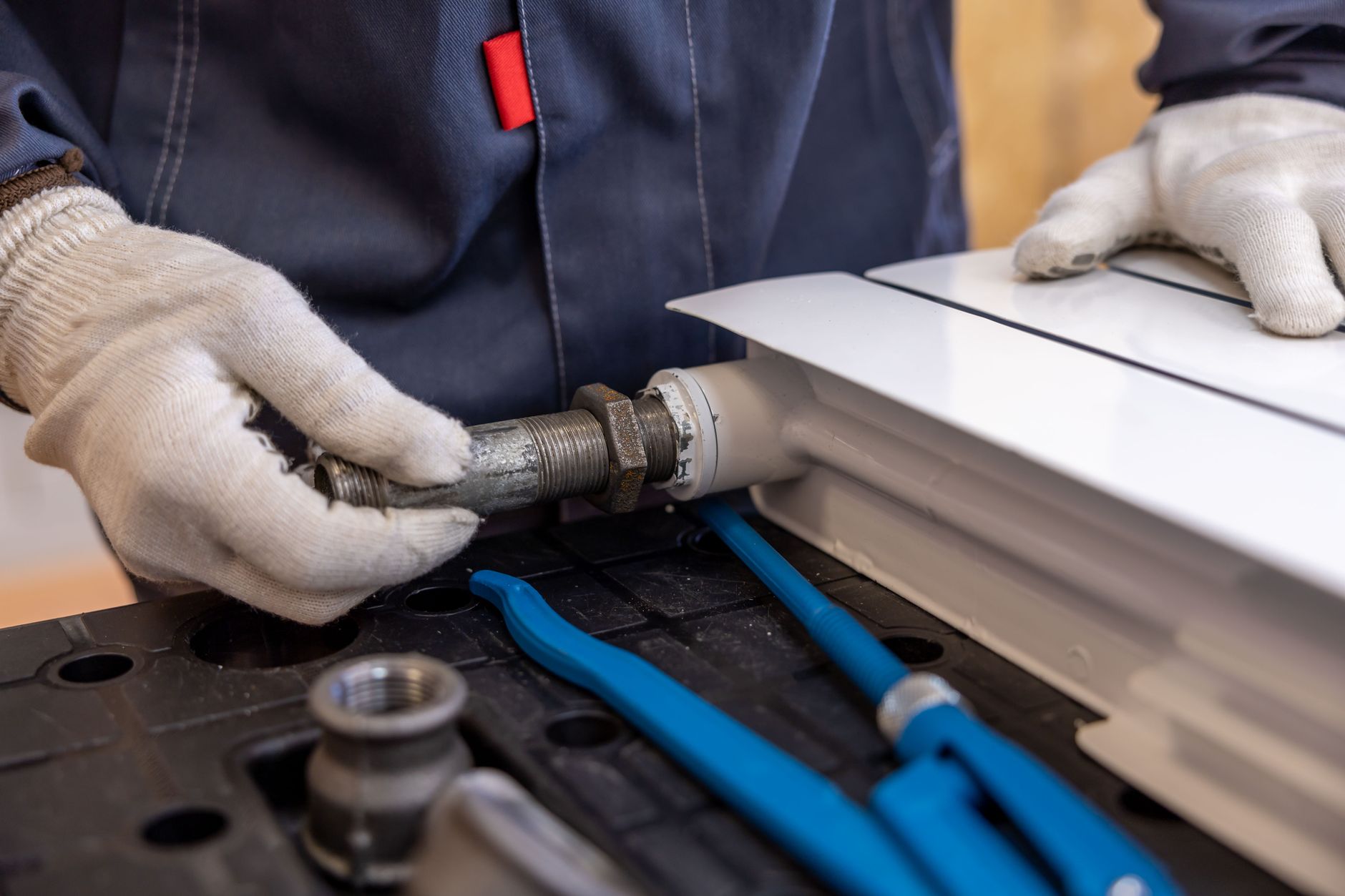
How Much Does Water Heater Replacement Cost in Campbell, CA?
Replacing a water heater in Campbell, CA typically costs between $900 and $3,500, depending on the unit type, fuel source, and labor involved. This guide breaks down exact price ranges for tank, tankless, and heat pump models, plus the local factors that can push costs higher or lower.
10 min read
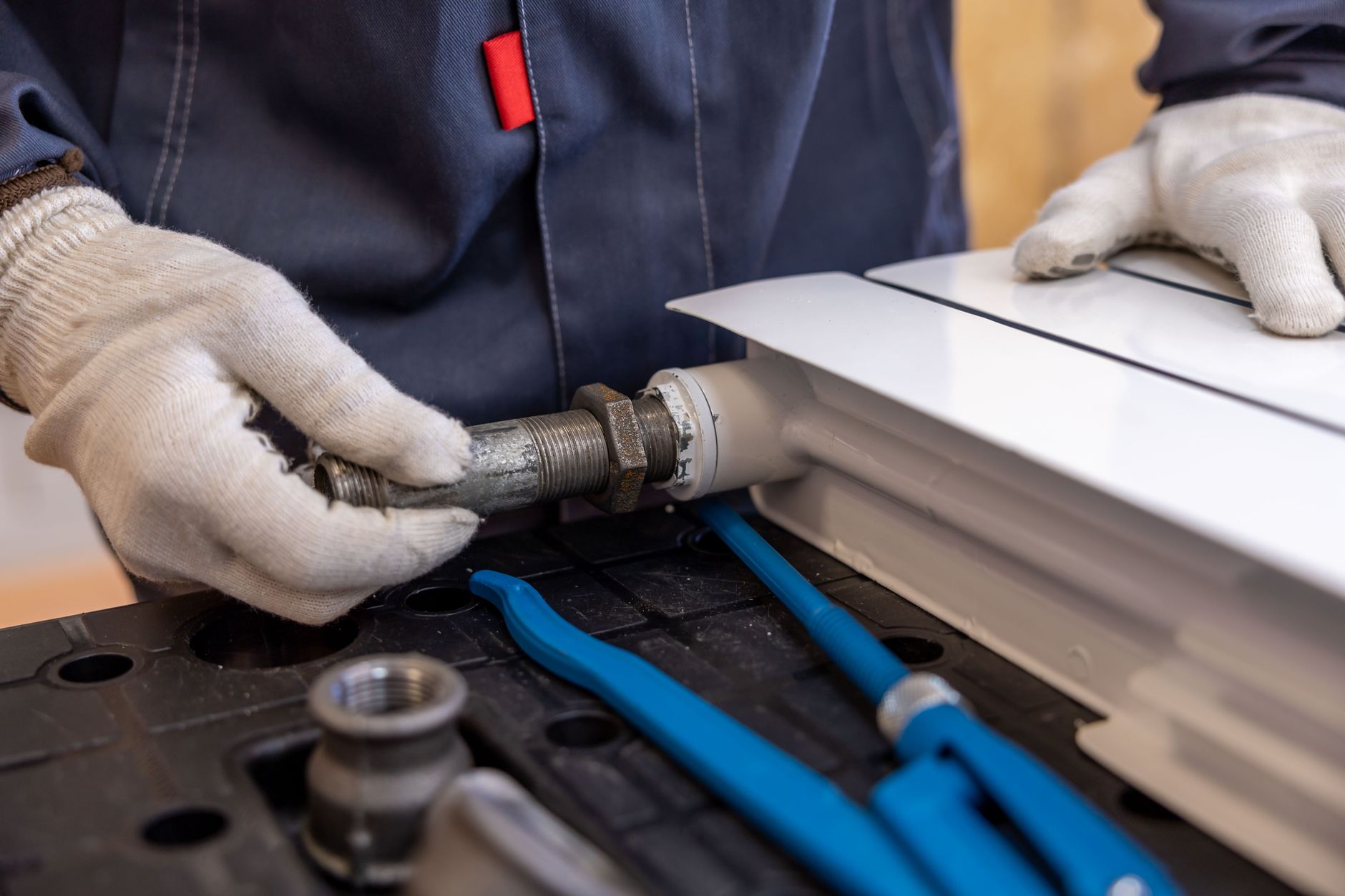
Trenchless vs. Traditional Sewer Replacement: Costs and Benefits in Campbell, CA
Deciding between trenchless and traditional sewer replacement in Campbell, CA comes down to your pipe condition, property layout, and total budget. This guide breaks down real cost differences, method pros and cons, and which option makes sense for older Bay Area homes.
10 min read